Discovering Eco-Friendly Alternatives to Plastic Bags Near Me
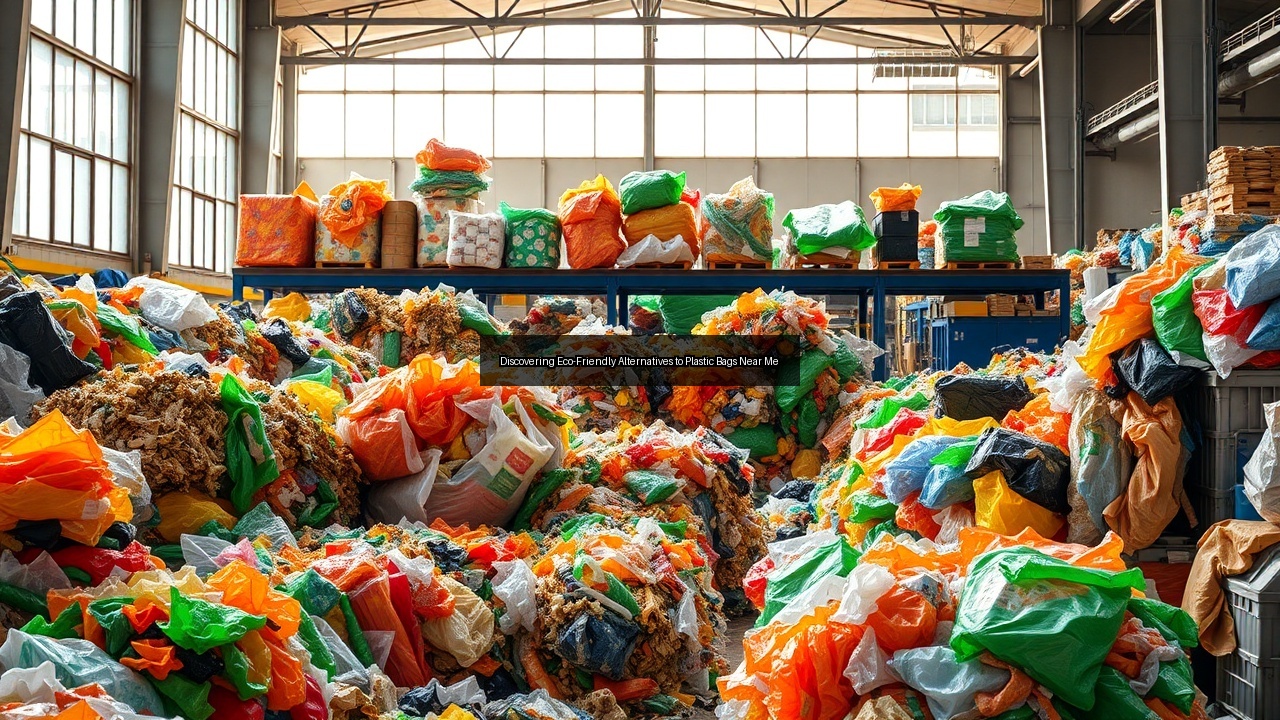
Understanding Plastic Waste and Its Impact
The Scale of Plastic Pollution
Plastic pollution represents a critical environmental challenge that affects oceans, wildlife, and human health. Every year, millions of tons of plastics enter the ocean, disrupting marine ecosystems and harming aquatic life. The sheer volume of plastic waste produced globally is staggering; it is estimated that over plastic fabrication nearby 300 million tons of plastic are created annually. This waste often ends up in landfills, waterways, and natural habitats, creating long-term ecological damage. Many areas, including Santa Barbara County, grapple with the repercussions of plastic waste. Local communities recognize the urgent need to combat plastic pollution through sustainable practices and alternatives.
Challenges in Plastic Waste Management
Managing plastic waste remains a daunting task for municipalities and individuals alike. Traditional waste management systems struggle with the sheer amount of plastic discarded daily. Many plastics are not biodegradable, leading to accumulation that can persist for centuries. Moreover, the complexity of plastic types complicates recycling efforts. Different polymers require distinct recycling processes, and not all facilities are equipped to handle them effectively. Inadequate recycling infrastructure contributes to the ongoing waste crisis, as many plastics end up in landfills instead of being repurposed. Addressing these challenges demands innovative solutions and community engagement to foster recycling, reduce consumption, and promote responsible waste management.
The Role of Recycling Plastics in Sustainability
Recycling plastics plays a pivotal role in promoting sustainability and mitigating environmental damage. By recycling, communities can reduce the demand for new plastic production, which is resource-intensive and energy-consuming. Recycling plastics not only lessens the volume of waste that ends up in landfills but also conserves valuable resources. Recycled plastics can be transformed into new products, ranging from clothing to construction materials, demonstrating the versatility of these materials. Additionally, advancements in recycling technologies are improving the efficiency of plastic recycling processes, making it easier to recover valuable polymers like PET and polycarbonate. Communities like Santa Barbara are increasingly supporting initiatives that enhance recycling efforts, contributing to a more sustainable future.
Exploring Eco-Friendly Alternatives to Plastic Bags
Types of Reusable Bags
Choosing reusable bags significantly reduces reliance on single-use plastic bags. Numerous types of reusable bags are available, catering to different needs and preferences. Cotton bags, for instance, are durable and can withstand heavy loads, making them ideal for grocery shopping. Other options include foldable nylon bags, which are lightweight and easily portable, ensuring that you always have a bag on hand. Additionally, eco-friendly alternatives made from recycled plastics or biodegradable materials are gaining popularity. These bags not only serve their purpose but also promote a culture of sustainability and responsibility in waste management. By opting for reusable bags, consumers actively contribute to reducing plastic waste and fostering a healthier environment.
Innovative Materials: From PET to Polycarbonate
Innovations in materials science have led to the development of eco-friendly alternatives to traditional plastics. For instance, polyethylene terephthalate (PET) is widely recognized for plastic fabrication nearby its recyclability and durability. Many brands now produce bags from recycled PET, reducing the demand for virgin plastic and promoting a circular economy. Likewise, lexan polycarbonate offers a robust alternative when durability is essential. These engineered plastics provide the strength needed for various applications while minimizing environmental impact. By utilizing innovative materials, manufacturers can create products that align with sustainable practices while still meeting consumer needs. This shift towards using recycled and alternative materials reflects a broader movement within the plastics industry, advocating for responsible consumption and production.
The Benefits of Choosing Recycled Plastics
Choosing products made from recycled plastics offers multiple benefits, both environmentally and economically. Recycled plastics significantly reduce the need for new plastic production, which often involves substantial energy and resource consumption. By opting for recycled materials, consumers help divert waste from landfills and contribute to resource recovery initiatives. Additionally, products made from recycled plastics often maintain high quality and durability, making them a practical choice for consumers. Communities that embrace recycled plastics can foster a sustainable economy, creating jobs in recycling and manufacturing sectors. Supporting the use of recycled materials not only promotes environmental stewardship but also encourages innovation within the industry, leading to a greener future.
Finding Local Resources for Sustainable Choices
Sustainable Stores and Markets in Santa Barbara
Santa Barbara boasts a variety of sustainable stores and markets that prioritize eco-friendly products. Local businesses often feature reusable bags, biodegradable packaging, and items made from recycled materials. Shoppers can find specialty stores dedicated to zero-waste living, offering bulk food, personal care products, and household goods without plastic packaging. Farmers' markets also provide an excellent opportunity to support local agriculture while reducing plastic waste. These markets often encourage customers to bring their own reusable containers, promoting sustainable practices within the community. By supporting sustainable stores and markets, residents contribute to the local economy while making environmentally conscious choices.
Plastic Fabrication and Recycling Facilities Nearby
Many communities in Santa Barbara County have access to plastic fabrication and recycling facilities that play a crucial role in managing plastic waste. These facilities specialize in processing various types of plastics, ensuring they are recycled or repurposed effectively. Local recycling programs engineered plastics near me often provide residents with information on how to dispose of plastics properly and encourage participation in recycling initiatives. Some facilities even offer workshops to educate the public about effective recycling practices and the importance of reducing plastic waste. By engaging with these resources, residents can contribute to a more sustainable community and support the development of a circular economy.
Community Initiatives for Waste Reduction
Community initiatives aimed at waste reduction are essential for promoting sustainability and combating plastic pollution. Local organizations in Santa Barbara advocate for educational programs that raise awareness about the impacts of plastic waste. These initiatives often include clean-up events, recycling drives, and workshops that empower residents to make informed choices regarding their consumption patterns. Engaging in community efforts fosters collaboration and encourages residents to adopt eco-friendly practices, such as reducing single-use plastics and supporting local recycling programs. By participating in these initiatives, individuals not only contribute to a cleaner environment but also inspire others to join the movement toward sustainability.
Technologies and Practices for a Greener Future
Advancements in Plastic Recycling Technologies
Recent advancements in plastic recycling technologies offer promising solutions to the challenges of plastic waste management. Innovative processes now enable the recycling of complex materials and composites that were previously deemed non-recyclable. Techniques such as chemical recycling allow for the breakdown of plastics into their original monomers, enabling the production of high-quality recycled polymers. These advancements reduce contamination and improve the efficiency of recycling processes. As technology continues to evolve, recycling facilities can better handle a wider variety of plastics, ensuring that more materials are diverted from landfills. Communities that invest in these technologies position themselves at the forefront of the fight against plastic pollution.
The Future of Polymers and Their Applications
The future of polymers holds exciting potential as research and development efforts lead to the creation of sustainable and biodegradable materials. Scientists are exploring bio-based polymers that can fulfill the same functions as traditional plastics without the environmental drawbacks. These innovative materials may revolutionize various industries, from packaging to textiles, providing eco-friendly alternatives that do not compromise quality. As manufacturers increasingly adopt sustainable practices, consumers can expect a broader range of products that align with their environmental values. The shift towards sustainable polymers marks a significant step forward in addressing the plastic waste crisis and promoting a circular economy.
Promoting Resource Recovery in America
Promoting resource recovery in America is essential for managing plastic waste and fostering sustainability. Governments, businesses, and communities must collaborate to create policies and programs that encourage recycling and reduce plastic consumption. Implementing comprehensive recycling initiatives, improving infrastructure, and investing in education can significantly enhance resource recovery efforts. National campaigns aimed at reducing single-use plastics can drive public awareness and shift consumer behavior towards sustainable practices. By prioritizing resource recovery, America can move toward a more sustainable future, reducing plastic pollution and preserving the environment for generations to come.