Enhancing Corrosion Resistance in Hydraulic Components through Advanced Machining
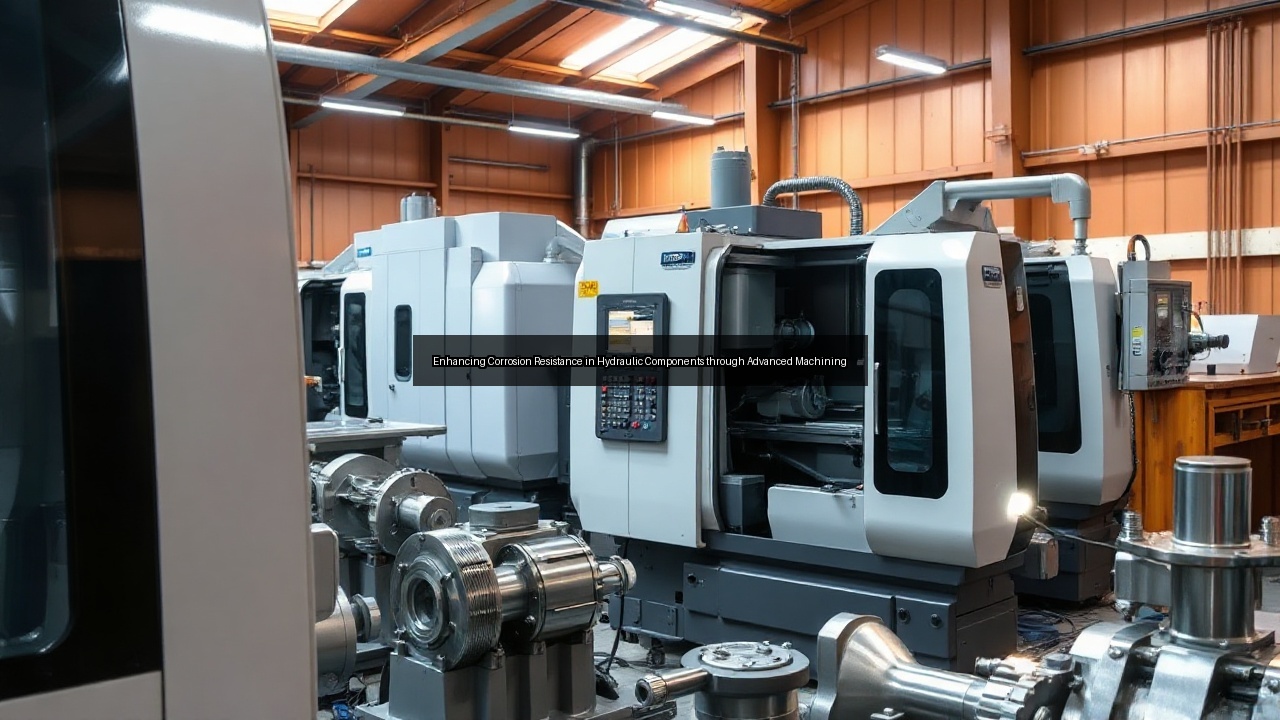
The Importance of Corrosion Resistance in Hydraulic Components
Understanding Corrosion in Hydraulic Systems
Corrosion is a pervasive issue in hydraulic systems, affecting everything from the performance of hydraulic components to the overall longevity of machinery. Hydraulic systems operate under high pressure and are often exposed to various fluids and environmental conditions that can exacerbate corrosion. This deterioration occurs when metals oxidize due to moisture, chemicals, or other corrosive agents. Manufacturers must understand the causes of corrosion to develop effective strategies that enhance the durability of hydraulic components. By recognizing the different types of corrosion, including pitting, galvanic, and uniform corrosion, engineers can select appropriate materials and treatment methods to mitigate these risks and ensure system reliability.
Impact of Corrosion on Hydraulic Equipment Performance
The performance of hydraulic equipment significantly deteriorates due to corrosion. Corroded components can lead to leaks, reduced efficiency, and even catastrophic failures. For instance, hydraulic cylinders and pistons can suffer from reduced stroke length and compromised sealing due to surface degradation. This not only affects the fluid dynamics within the system but also leads to increased wear and tear on other components. The impact of these failures extends beyond immediate repairs; it can disrupt operations in industries like construction, automotive, and aerospace, resulting in downtime and significant financial losses. Understanding this impact drives the necessity for enhanced corrosion resistance through advanced machining and material selection.
The Role of Corrosion Resistance in Different Industries
Corrosion resistance plays a critical role across various industries that rely on hydraulic systems. In the marine industry, for example, components face constant exposure to saltwater, making them particularly vulnerable to corrosion. Similarly, agricultural machinery must withstand harsh environments and chemicals that can accelerate wear. In aerospace, hydraulic components must maintain integrity under extreme temperatures and pressures. Manufacturers across these sectors prioritize corrosion resistance to ensure safety, reliability, and operational efficiency. By investing in advanced machining techniques and materials that enhance resistance, companies can significantly improve the lifespan and performance of hydraulic components.
Advanced Machining Techniques for Enhanced Corrosion Resistance
CNC Machining and Its Benefits for Precision Components
CNC (Computer Numerical Control) machining revolutionizes the production of hydraulic components by providing unmatched precision and consistency. CNC machines can achieve tight tolerances essential for hydraulic systems, where even minor discrepancies can lead to performance issues. This advanced machining technique allows manufacturers to create complex geometries and intricate designs that enhance component functionality. Additionally, CNC machining improves surface finishes, reducing the likelihood of corrosion initiation spots. As a result, hydraulic components machined through CNC techniques exhibit improved wear resistance and longevity. Integrating CNC technology into the manufacturing process ensures that hydraulic components can withstand the demanding environments they operate in.
Utilizing Tool Steels for Improved Durability
Tool steels represent a critical material choice for enhancing the durability of hydraulic components. These steels are specifically formulated to withstand high stresses and resist wear, making them ideal for components like pistons, spools, and other critical hydraulic parts. Their superior machinability allows for precise shaping and finishing, essential for maintaining tight tolerances in hydraulic systems. Moreover, tool steels can be treated with various coatings that further improve their corrosion resistance. By selecting the right type of tool steel, manufacturers can produce hydraulic components that not only perform better but also last longer in challenging environments, reducing the frequency of replacements and repairs.
Swiss Machining: A Solution for Complex Hydraulic Parts
Swiss machining offers an innovative solution for producing complex hydraulic components with high precision. This technique is particularly effective for small, intricate parts that require exceptional tolerances. The process involves moving the material through a rotating tool, allowing for detailed features that traditional machining methods may struggle to achieve. This precision is crucial in hydraulic systems, where the performance of components directly impacts fluid flow and system efficiency. By leveraging Swiss machining, manufacturers can create components that minimize the risk of corrosion by ensuring perfect fits and smooth surfaces, which reduce friction and wear over time. As a result, hydraulic systems become more reliable and efficient, contributing to overall operational effectiveness.
Materials and Technologies for Corrosion-Resistant Hydraulic Components
Choosing the Right Materials: Metals vs. Plastics
The choice of materials significantly influences the corrosion resistance of hydraulic components. Metals, while traditionally used for their strength and durability, can be susceptible to corrosion in various environments. However, advancements in metallurgy have led to the development of corrosion-resistant alloys that can withstand harsh conditions. On the other hand, plastics offer advantages such as lightweight and inherent resistance to corrosion, making them suitable for specific applications. Manufacturers must evaluate the operational environment when selecting materials. For example, in marine applications, corrosion-resistant metals or specially formulated plastics can be ideal choices for hydraulic components. Understanding the properties of both materials ensures that engineers select the best options for their hydraulic systems.
Innovative Coatings and Treatments for Corrosion Resistance
Coatings and treatments play a vital role in enhancing the corrosion resistance of hydraulic components. Various innovative coatings, such as epoxy, polyurethane, and zinc-based finishes, can protect metal surfaces from corrosive elements. These coatings create a barrier between the metal and the environment, preventing moisture and chemicals from initiating corrosion. Additionally, surface treatments like anodizing and passivation further enhance the protective capabilities of metals. Manufacturers increasingly adopt these technologies to ensure that hydraulic components maintain their integrity over time. By investing in advanced coatings and treatments, companies can significantly extend the service life of hydraulic systems, reducing maintenance costs and improving overall efficiency.
The Role of PTFE in Enhancing Component Longevity
Polytetrafluoroethylene (PTFE) is a versatile material that plays a crucial role in enhancing the longevity of hydraulic components. Known for its excellent chemical resistance and low friction properties, PTFE is commonly used in seals, gaskets, and coatings for hydraulic systems. These properties reduce wear on moving parts and prevent fluid leakage, ensuring optimal performance. PTFE’s ability to withstand high temperatures and pressures makes it an ideal choice for hydraulic applications across various industries, including automotive and aerospace. Incorporating PTFE into hydraulic component designs enhances durability and reliability, leading to more efficient and long-lasting hydraulic systems.
Quality Assurance and Efficiency in Hydraulic Component Machining
ISO 9001 Standards in Hydraulic Component Manufacturing
ISO 9001 standards play a critical role in ensuring quality assurance in hydraulic component manufacturing. This internationally recognized standard provides a framework for consistent quality management practices, emphasizing customer satisfaction and continuous improvement. By adhering to ISO 9001, manufacturers can establish standardized processes that ensure each hydraulic component meets strict quality criteria. This commitment to quality not only enhances the reliability of hydraulic systems but also builds trust with clients across industries such as construction, agriculture, and marine. Implementing ISO standards fosters a culture of excellence that drives innovation and efficiency in hydraulic component machining.
Automated Machining Centers: Boosting Precision and Reducing Waste
Automated machining centers significantly enhance the efficiency of hydraulic component production. These advanced machines combine multiple machining processes into a single setup, reducing the need for manual intervention and minimizing waste. Automation allows for rapid production cycles without compromising on precision, ensuring that components are machined to exact specifications. This level of efficiency is crucial for manufacturers striving to meet tight deadlines while maintaining high-quality standards. By integrating automated machining centers into their operations, companies can achieve greater output, reduce operational costs, and maintain a competitive edge in the hydraulic component manufacturing sector.
Best Practices for Quality Control in Machining Processes
Implementing best practices for quality control in hydraulic component machining is essential to ensure consistency and reliability. Regular inspections, both during and after the machining process, help identify defects early and prevent costly reworks. Utilizing advanced measuring tools and techniques, such as coordinate measuring machines and laser scanning, ensures that components meet specified tolerances. Additionally, establishing a robust feedback loop between machining and design teams allows for continuous improvement of processes and products. By prioritizing quality control, manufacturers can enhance the performance of hydraulic systems and foster long-term relationships with clients through reliable products.
See Also
- The Secrets of Swiss Machining Techniques in Hydraulic Component Manufacturing
- Understanding Fluid Dynamics in Hydraulic System Component Machining
- Efficiency Boosts in Hydraulic Component Production Through Technology Advances
- Maximizing Tolerances in Hydraulic Component Machining for Enhanced Performance